


Muzz: Where Muslims Marry
4.42.70K Reviews
App Specs
- Version
- 8.89.0a
- Updated On
- License
- Free
- Downloads
- 10,000,000+
- Developer
- Muzz
- Categories
- Social
- Platform
- Android, iOS
Screenshots
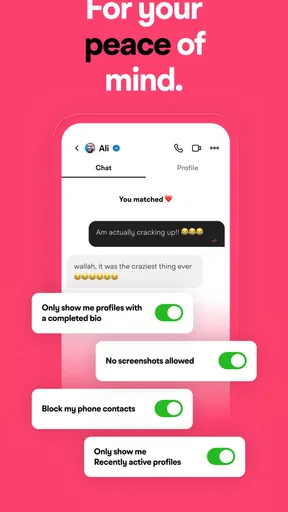


 Analysis by AppCompare
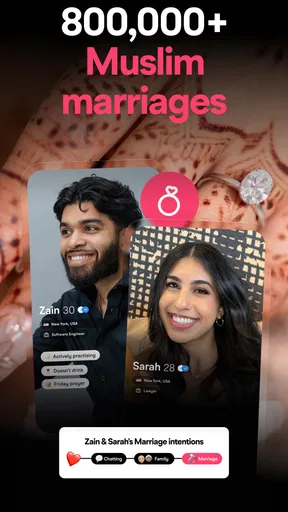
I approached Muzz as more than another dating app. Its purpose is narrower and clearer: it is a social app for Muslims who are looking for marriage, with the experience shaped around that goal rather than casual dating. That distinction matters. If you want conversations that can move toward serious compatibility, faith, family expectations, and long-term commitment, the app gives you a more focused starting point than a general-purpose dating service.
My overall impression is positive, but I would not recommend it automatically to everyone. The app works best when you already know what kind of relationship you want and are comfortable being direct about your values. It is less suitable if you want an open-ended social network, a relaxed flirting app, or a platform where religion is only a minor part of your identity. In practice, your results will depend not only on the app itself, but also on how carefully you build your profile, filter conversations, and protect your time.
How I would decide whether Muzz fits
The first question is not whether Muzz is popular; it is whether its purpose matches yours. The developer, Muzz, positions the service around Muslim marriage, and that focus is visible in the way I would use it: I would arrive ready to explain my intentions, discuss important expectations, and move beyond surface-level attraction. That can feel refreshing compared with general dating platforms, where you may need to spend considerable time discovering whether someone is even looking for a committed relationship.
Its audience is substantial. The app has passed 10 million installs and holds a 4.4 average rating from roughly 334 thousand ratings. Those figures suggest that it has reached a broad Muslim audience, but they should not be treated as a promise that every city or community will have the same depth of suitable matches. A large overall audience can still feel limited if your preferences are very specific or if you live in a place with fewer active users.
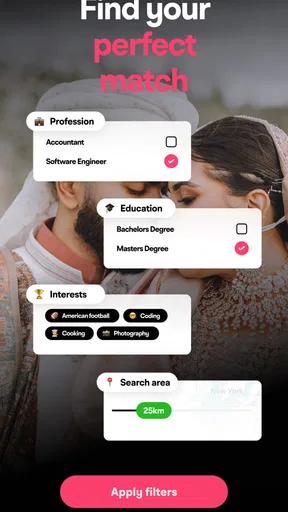
I would judge the app using four practical questions. Can I state my intentions without feeling awkward? Can I screen for the values that matter to me? Can I keep conversations respectful and safe? And can I use it without turning the search into an exhausting second job? Muzz is strongest when the answer to the first two questions is yes. The last two depend heavily on your habits and on the quality of the people you encounter.
It is free to install and use as a starting point, although it includes optional in-app purchases ranging from $0.99 to $229.99 per item. That makes the decision relatively easy at first: you can explore the basic experience before deciding whether paid extras are worthwhile. I would still set a personal spending limit in advance. When dating feels emotionally important, it is easy to confuse paying for more visibility or convenience with making better matches.
The right mindset before creating a profile
I would not write a vague profile here. On a general dating app, a short line about enjoying food or travel may be enough to begin a conversation. On Muzz, that approach wastes one of the app’s main advantages. I would explain the kind of marriage I hope to build, the role faith plays in daily life, and the qualities I value in a partner. I would keep the wording warm rather than turning the profile into a checklist.
Worth Reading Before You Choose

EA SPORTS FC Mobile 26 Is a Bigger Football Game, but It Takes Time

Flipboard Shows What News Apps Must Do Beyond the Feed

Switching to Android Auto Means Rethinking Your Driving Routine

Google Calendar Makes a Crowded Week Easier to Manage

Ludo King Makes the Most of the Minutes Between Plans

Baby Panda World Brings Quick Play to Modern Phones, but Its Game Library Feels Busy
A useful technique is to separate firm requirements from preferences. For example, religious practice, location, or readiness for marriage may be essential, while hobbies, profession, or personality style may be areas where I can stay flexible. This prevents the search from becoming too narrow too early. It also gives potential matches something meaningful to respond to instead of forcing every conversation to begin with a generic greeting.
I would also prepare for direct questions. Someone using a marriage-focused service may reasonably want to discuss family involvement, timelines, cultural expectations, and future plans sooner than users on mainstream dating apps. That does not mean the first message should feel like an interview. It means I would be honest enough to avoid leading someone on when our goals clearly differ.
A realistic everyday way to use it
Imagine I have a busy workday and only a short period in the evening to check the app. I would not swipe or browse without a plan. I would review a small number of profiles, save my attention for people whose intentions and lifestyle seem compatible, and send a message that refers to something specific in the profile. After a few exchanges, I would ask one meaningful question about expectations rather than keeping the chat alive with small talk.
This workflow is important because a marriage-oriented app can create a large emotional workload. Every promising conversation can feel significant, even when the basic compatibility is unclear. I would set a limit on how many active conversations I can handle and close mismatched chats politely. That is not merely a productivity trick; it helps preserve fairness for the other person and keeps the experience from becoming a stream of half-finished conversations.
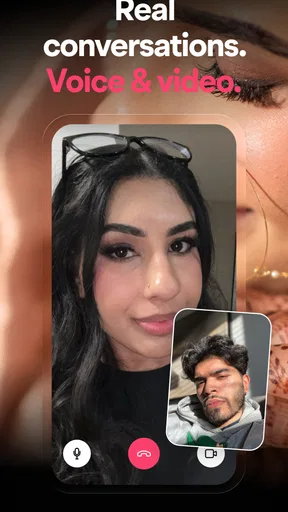
One useful trade-off is speed versus depth. Moving too quickly into serious subjects may make a conversation feel formal, while waiting too long can create attachment before important differences are discussed. I would start with shared values, then move gradually toward practical matters such as location, family expectations, and readiness for marriage. The app can provide the setting, but it cannot replace judgment or a thoughtful process.
Where Muzz is especially strong
The clearest strength is focus. Muzz is not asking you to translate a casual dating environment into a marriage search; marriage is the reason the platform exists. That gives conversations a useful context. I would feel more comfortable stating that I am looking for a serious relationship because the service is designed for people who are expected to understand that intention.
That focus can also reduce a common frustration on broad dating apps: spending time with someone who is attractive and pleasant but wants something completely different. It does not eliminate that problem, since people are still people, but it gives you a better basis for screening. A profile that clearly communicates intentions can save time before a conversation becomes emotionally involved.
The app is also a better fit for users who want their Muslim identity to be central rather than something they have to explain repeatedly. Cultural background, religious practice, and family expectations can be sensitive subjects. Starting in a space built around Muslim marriage may make those conversations feel less like a defensive explanation and more like normal compatibility questions.
Another strength is the possibility of using the app with a deliberate process. I would treat the profile as an early compatibility filter, messaging as a way to test communication, and later conversations as a chance to explore real-life expectations. That layered approach is more useful than judging someone entirely by photographs. It is one of the reasons I see Muzz as a decision tool rather than simply a catalogue of profiles.
What makes the experience more useful than a quick browse
The non-obvious benefit is not a particular button or visual effect. It is the pressure to clarify what I actually mean by “serious.” Many people say they want marriage but have very different ideas about timing, living arrangements, finances, family participation, or religious practice. Using Muzz well forces those questions into view earlier than they might appear elsewhere.
I would use that to create a private set of questions before I begin. Which differences are manageable? Which ones would make a relationship unrealistic? How soon do I need clarity about location or family expectations? Having those answers ready makes it easier to recognize a promising match without becoming attached simply because the conversation is pleasant.
I would also avoid treating shared religion as proof of overall compatibility. It is an important foundation for many users, but it does not guarantee similar communication styles, emotional maturity, financial priorities, or ideas about marriage. The app’s focused audience helps with one major dimension of compatibility; it does not complete the work for you.
Privacy, boundaries, and moving beyond the app
Because the subject is personal and the intended outcome can be serious, I would be careful with the amount of information I share early on. I would avoid publishing details that reveal my home, workplace, daily routine, or financial situation. A profile should communicate personality and intentions, not provide a stranger with a map of my life.
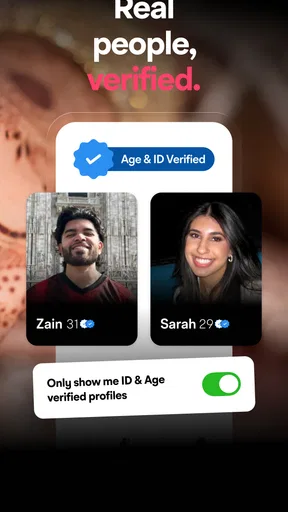
I would keep early conversations inside the app until trust has developed. If someone pressures me to move immediately to another service, asks for money, or avoids reasonable questions about their intentions, I would treat that as a warning sign. A marriage-focused setting does not make every user trustworthy. The same basic online-dating safeguards still apply, including a public first meeting and telling someone I trust where I am going.
There is also a social boundary to consider. Some users may want family involvement early, while others may prefer to build a private connection first. I would discuss that respectfully rather than assuming one approach is correct. If family participation is important to me, I would mention it before the relationship becomes serious. If it is not, I would say so clearly without criticizing people who choose differently.
Where another kind of app may fit better
I would look elsewhere if my main goal were casual dating, broad social discovery, or meeting people without a clear marriage intention. General dating apps may offer a wider range of relationship goals and a larger pool in some locations. Their weakness is that I may need to spend more time identifying who is genuinely available for a serious relationship.
I would also consider a different option if I wanted a community platform rather than a matching service. A social network, interest group, or local community setting may be better for meeting people through shared activities and allowing trust to develop more naturally. That route can be slower and less direct, but it may suit someone who dislikes profile-based matchmaking or feels uncomfortable discussing marriage early.
For users whose priority is a very specific cultural, linguistic, or regional community, the best alternative may be a local service or an offline introduction network. Muzz’s Muslim focus is broad, which is useful for many people, but broad does not mean every cultural expectation will line up. If family customs, language, or location are decisive, I would compare the quality of actual local matches rather than assuming the biggest platform is automatically the best.
There is a trade-off here between reach and precision. A larger service can increase the chance of finding someone outside my immediate circle, while a smaller community may offer more shared context. I would give Muzz a fair trial if I wanted Muslim marriage matchmaking, but I would not stay indefinitely if the available profiles repeatedly miss my essential criteria.
Who should probably skip it
I would skip Muzz if I am not ready to be honest about marriage. Joining because I am bored, seeking validation, or hoping for an undefined relationship could create confusion for people who are using the app with a serious purpose. I would also skip it if I strongly dislike discussing faith, family, or future plans in a relationship.
It may not suit someone who wants complete control over every stage of the process without outside expectations. Even when the app itself feels straightforward, the marriage goal brings questions that cannot be avoided forever. If I want dating to remain separate from family and long-term planning for now, a general dating app may be a more comfortable choice.
Finally, I would be cautious if I tend to overuse dating apps. The combination of a large audience and emotionally meaningful conversations can encourage constant checking. I would only continue if I could use it with boundaries and still maintain a balanced routine.
What switching really costs
Moving from a general dating app to Muzz can save time because the purpose is clearer, but it also asks for more honesty at the beginning. I would need to rewrite my profile, decide which expectations are essential, and become comfortable with conversations that may feel more serious. That is a worthwhile adjustment for someone who wants marriage, but it may feel like too much structure for someone still exploring.
Moving from Muzz to a broader service creates the opposite trade-off. I might gain access to people with different backgrounds and relationship goals, but I would need to screen more aggressively. I would ask about intentions earlier, avoid assuming that interest means commitment, and accept that some conversations will end simply because we want different things.
There is also an emotional switching cost. On Muzz, a promising conversation can quickly feel connected to a possible future. If it ends, the disappointment may be stronger than it would be in a casual dating context. I would protect myself by judging consistency over time rather than building a story around a few good messages.
The financial side deserves attention as well. The app is free, but optional purchases can range from $0.99 to $229.99 for an item. I would begin without spending, learn whether the available pool and conversation quality suit me, and only consider a purchase when I can identify a specific problem it might solve. Paying should be a deliberate experiment, not an emotional reaction to a quiet week.
Version, access, and practical expectations
The current version is 8.88.0a, and the app supports devices running Android 8.0 or later. It is rated Mature 17+, which fits the adult subject matter and the seriousness of the conversations. I would check my device compatibility before planning around it, especially if I use an older phone.
As a free social app with optional purchases, it is easy to start without a large commitment. That does not mean the experience is effortless. The real investment is time: writing a thoughtful profile, reviewing matches carefully, having respectful conversations, and recognizing when a connection is not progressing. Anyone expecting an instant route to marriage will probably be disappointed.
I would also remember that the rating of 4.4 from around 334 thousand ratings and roughly 2.7 thousand written reviews reflects a broad user base, not my personal odds of success. Reviews can help indicate that the app is established, but the quality of my experience will depend on location, preferences, timing, and the effort I put into using it thoughtfully.
My recommendation after weighing the trade-offs
I recommend Muzz to Muslim adults who are genuinely open to marriage and want a dating environment where that intention is understood from the beginning. Its focused identity makes it more useful than a general app when faith, culture, and long-term commitment need to be part of the conversation rather than hidden behind casual profiles.
I would recommend starting slowly: build a specific profile, keep your essential criteria realistic, ask meaningful questions, and limit the number of active conversations. Do not assume that a shared religious identity settles every important issue, and do not spend money until the free experience shows that the service is useful in your area.
I would choose another category of app if I wanted casual dating, a broad social experience, or a less direct path toward commitment. I would also move on if the local pool repeatedly fails to meet my non-negotiable needs. No matchmaking platform can create compatibility where it does not exist.
For the right person, though, Muzz provides a valuable starting point. Its biggest advantage is not that it removes the difficulty of finding a spouse; it makes the purpose of the search clearer. That clarity can save time, encourage more honest conversations, and help me decide sooner whether a connection deserves further attention. Used with patience, boundaries, and realistic expectations, it is a strong choice for a serious Muslim marriage search.
Pros
- Designed specifically for Muslims seeking marriage
- not casual dating.
- Profiles include useful faith and lifestyle details for better compatibility.
- Chaperone features can support more family-conscious conversations.
- Multiple privacy controls help users manage photos and personal information.
- Available on both Android and iOS with a large international user base.
Cons
- Many useful features require a paid subscription or in-app purchases.
- Some profiles may be inactive or slow to respond.
- Strict marriage intentions may feel limiting for users seeking casual connections.
- Location-based matches can be limited in smaller cities or countries.
- As with any dating app
- users should remain alert to fake profiles and scams.
FAQs for Muzz: Where Muslims Marry
What is Muzz: Where Muslims Marry?
Muzz is a Muslim-focused matchmaking and marriage app designed to help users meet people who share their faith, values, and intentions. Profiles can include information about religious practice, ethnicity, lifestyle, and marriage goals. The app supports messaging and matching features, while encouraging users to approach conversations respectfully and with serious intentions. Availability of specific features may vary by region and subscription level.
Is Muzz suitable for people looking for marriage rather than casual dating?
Yes. Muzz is primarily presented as a platform for Muslims seeking a spouse, rather than a general-purpose dating service. Users can describe their intentions and look for compatible matches based on faith, values, family expectations, and lifestyle preferences. However, the app cannot guarantee that every member is equally serious, so it is important to communicate clearly, set boundaries, and verify that a potential match genuinely wants a marriage-focused relationship.
How does privacy and chaperone support work on Muzz?
Muzz includes privacy-oriented tools intended to make online matchmaking more comfortable for Muslim users. Depending on the current version and local availability, users may be able to hide photos, control who can view certain profile details, and involve a trusted chaperone in conversations. These options can be useful for people who want family awareness or additional accountability, but users should still review privacy settings carefully before sharing personal information.
Is Muzz free to download and use?
Muzz can generally be downloaded for free on supported Android and iOS devices, and basic account functions may be available without payment. Some advanced features, such as enhanced visibility, additional preferences, or expanded interaction options, may require a paid subscription or in-app purchase. Prices and included benefits can change by country and platform, so check the app’s current store listing and subscription screen before committing.
What should I consider before meeting someone I met on Muzz?
Treat an online match as a stranger until their identity and intentions have been reasonably confirmed. Keep early conversations inside the app, avoid sending money or sensitive documents, and be cautious about requests that feel rushed or secretive. If you decide to meet, choose a busy public location, tell a trusted person where you will be, and consider involving family or a chaperone if that fits your values and circumstances.


